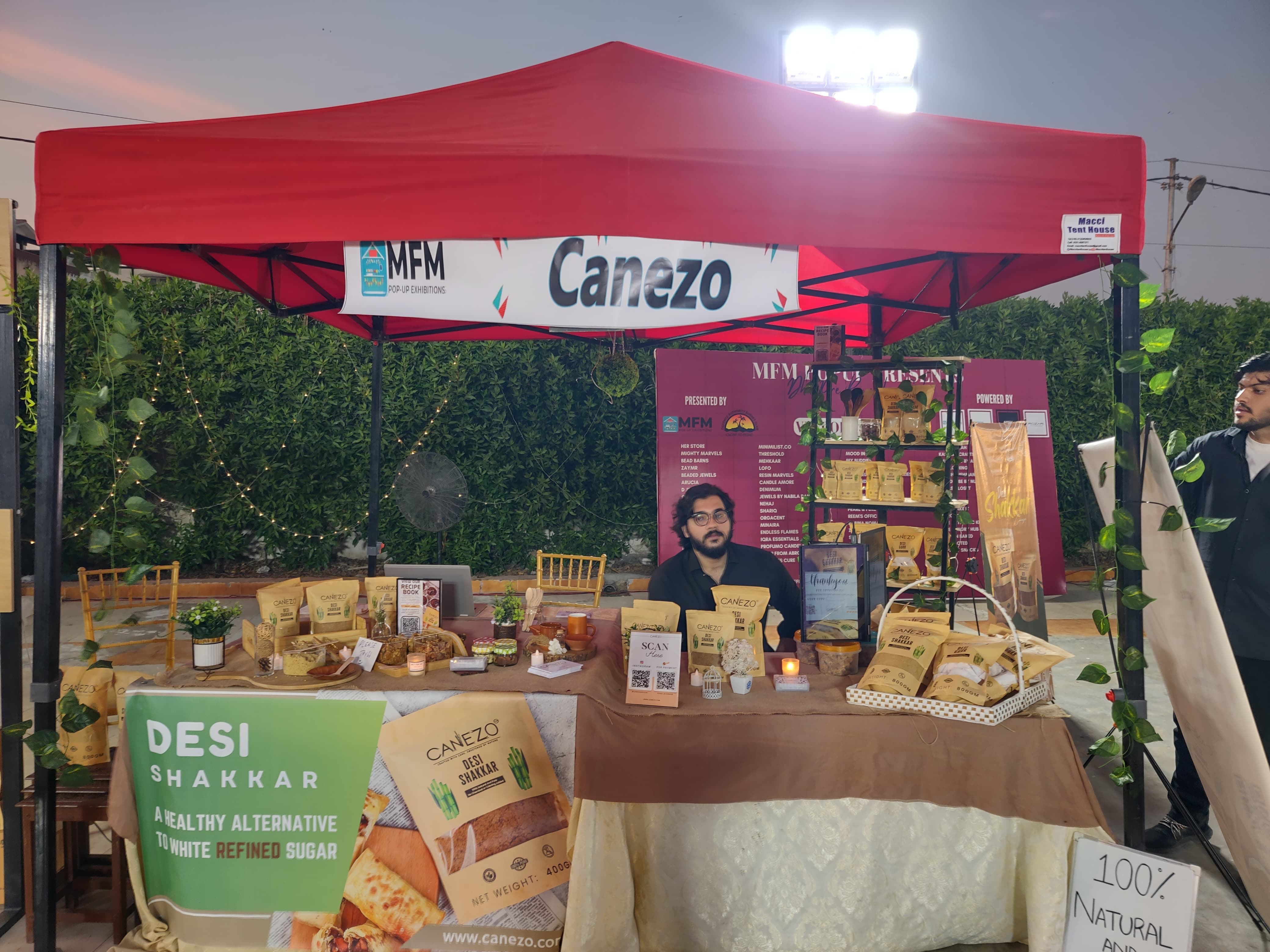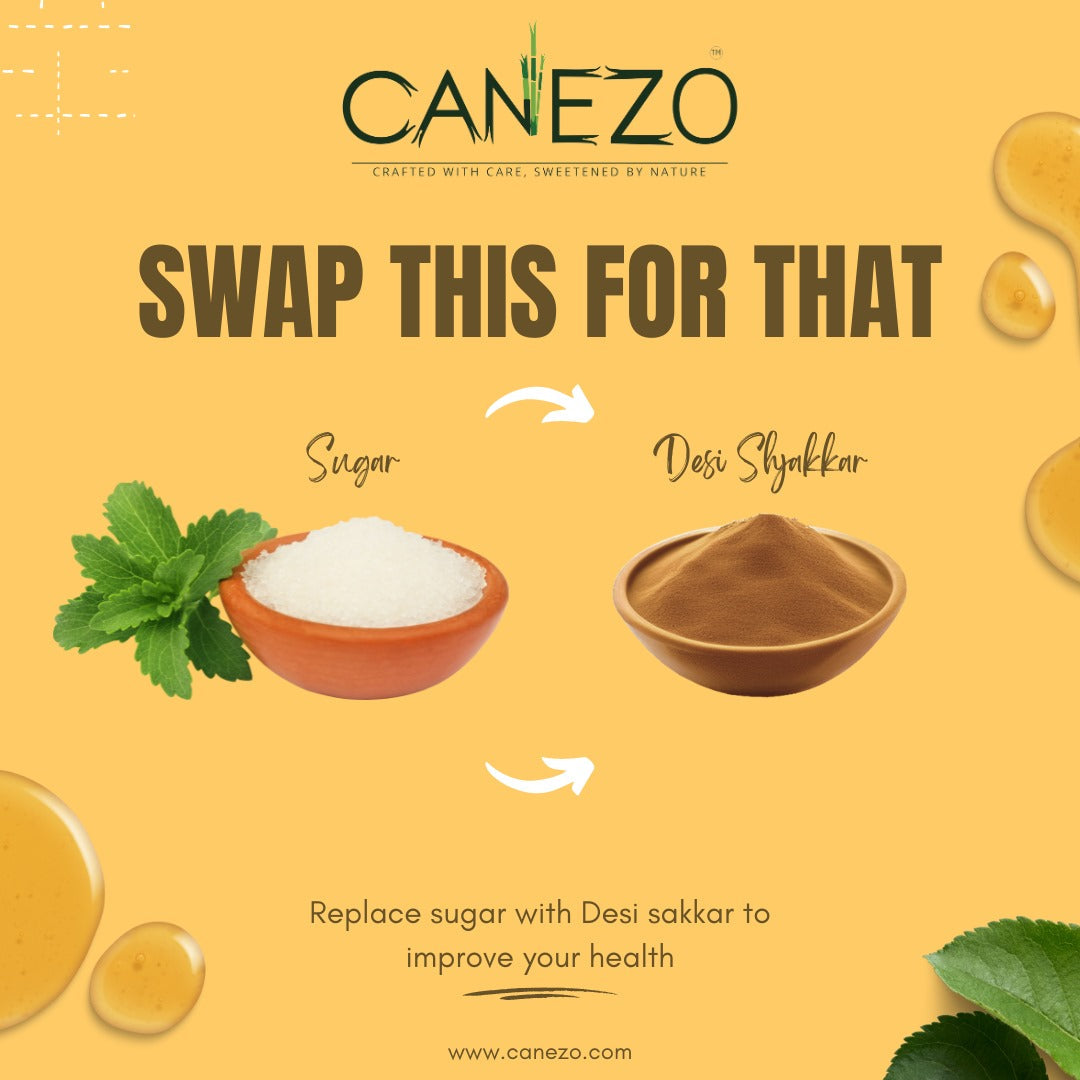

Natural sweeteners have been an essential part of traditional diets across cultures for centuries. Among the most widely used unrefined sweeteners are Desi Shakkar, Panela, Rapadura, Piloncillo, Muscovado, and Palm Sugar. These natural alternatives to refined sugar are valued for their nutrient content, authentic taste, and health benefits.
Each variety, though unique in flavor and texture, shares a common origin — the pure, unprocessed essence of sugarcane juice or palm sap. This report explores the different types of traditional natural sweeteners, their regional forms, nutritional benefits, and how they differ from refined sugar.
1. Types of Traditional Natural Sweeteners
1.1 Desi Shakkar (Traditional Cane Sweetener)
Derived from fresh sugarcane juice, this traditional Indian sweetener undergoes a natural boiling process to form fine granules or solid blocks.
-
Color: Golden to dark brown
-
Texture: Fine powder or crystalline blocks
-
Taste: Mild caramel flavor with an earthy undertone
-
Regions: South Asia, Middle East
-
Key Benefits:
-
Rich in iron, calcium, and antioxidants
-
Supports digestion and metabolism
-
Acts as a natural energy booster
-
1.2 Panela
A popular Latin American sweetener made by evaporating sugarcane juice without refining or chemical treatment.
-
Color: Light to dark golden brown
-
Taste: Fruity, caramelized flavor
-
Regions: Colombia, Ecuador, Peru
-
Key Benefits:
-
Contains essential minerals like magnesium and potassium
-
Known for slow energy release
-
Traditionally used in beverages and desserts
-
1.3 Rapadura
Rapadura is a minimally processed whole cane sweetener similar in production to Panela but with a finer texture.
-
Color: Medium to dark brown
-
Taste: Sweet, slightly tangy
-
Regions: Brazil and other parts of South America
-
Key Benefits:
-
Retains natural molasses
-
Provides trace minerals and antioxidants
-
Ideal for baking and natural beverages
-
1.4 Piloncillo
Also known as “Mexican brown sugar,” Piloncillo is molded into solid cones after boiling sugarcane juice.
-
Color: Deep brown
-
Taste: Robust molasses flavor
-
Regions: Mexico, Central America
-
Key Benefits:
-
Adds depth and aroma to dishes
-
Natural source of minerals
-
Popular in traditional sweets and drinks
-
1.5 Palm Sugar (Khajur Gur / Nolen Gur / Coconut Sugar)
Extracted from the sap of date or coconut palms, palm-based sweeteners have a distinct, naturally smoky flavor.
-
Color: Amber to dark brown
-
Taste: Rich, slightly smoky
-
Regions: India, Sri Lanka, Indonesia, Thailand
-
Key Benefits:
-
Low glycemic index
-
Contains vitamins B1, B2, B3, and B6
-
Ideal for diabetic-friendly recipes
-
1.6 Muscovado
A dark, moist sugar known for its strong molasses aroma and mineral content.
-
Color: Dark brown to nearly black
-
Taste: Deep, molasses-like sweetness
-
Regions: Caribbean, Mauritius, Philippines
-
Key Benefits:
-
Contains calcium and magnesium
-
Natural flavor enhancer
-
Commonly used in sauces and marinades
-
1.7 Kokuto
Originating from Japan, Kokuto is made by slowly simmering sugarcane juice to create dense, mineral-rich blocks.
-
Color: Dark brown to black
-
Taste: Deep umami sweetness
-
Regions: Okinawa, Japan
-
Key Benefits:
-
High in minerals and amino acids
-
Traditionally used for health tonics and sweets
-
Recognized for its unique flavor profile
-
2. Key Differences Between Natural Sweeteners
| Type | Source Material | Processing Level | Flavor Profile | Common Use |
|---|---|---|---|---|
| Desi Shakkar | Sugarcane juice | Unrefined, sun-dried | Mild caramel | Everyday sweetener |
| Panela | Sugarcane juice | Boiled and molded | Fruity, aromatic | Hot drinks, desserts |
| Rapadura | Sugarcane juice | Air-dried | Tangy, rich | Baking, beverages |
| Piloncillo | Sugarcane juice | Molded cones | Strong molasses | Mexican sweets |
| Palm Sugar | Palm sap | Boiled and dried | Smoky, rich | Cooking, desserts |
| Muscovado | Sugarcane juice | Lightly refined | Molasses-heavy | Sauces, baking |
| Kokuto | Sugarcane juice | Slow-boiled | Umami sweet | Japanese dishes |
3. Health and Nutritional Benefits
Natural unrefined sweeteners offer multiple nutritional and wellness advantages over refined sugar:
-
Nutrient Retention: These sweeteners retain essential minerals like iron, calcium, potassium, and magnesium.
-
Energy Stability: Provide gradual energy release, helping maintain stable blood sugar levels.
-
Digestive Support: Aid digestion when consumed in moderation.
-
Immunity Boosting: Contain antioxidants that strengthen immunity and combat oxidative stress.
-
Liver Detoxification: Help in cleansing toxins naturally.
-
Natural Source of Iron: Beneficial for those with low hemoglobin levels.
-
Holistic Wellness: Used in Ayurvedic and traditional remedies for respiratory and digestive health.
4. Comparison with Refined Sugar
| Aspect | Natural Sweeteners (Desi Shakkar, Panela, Palm Sugar) | Refined Sugar |
|---|---|---|
| Processing | Naturally boiled, unrefined | Chemically refined |
| Nutrients | Rich in minerals and vitamins | Nutrient-depleted |
| Flavor | Complex and authentic | Neutral sweetness |
| Glycemic Index | Moderate | High |
| Health Value | Supports wellness | Linked to metabolic issues |
| Sustainability | Eco-friendly production | Industrial processing |
Conclusion
Across cultures, natural unrefined sweeteners such as Desi Shakkar, Panela, Rapadura, Piloncillo, Palm Sugar, and Muscovado have remained staples of traditional diets due to their authentic taste, nutritional value, and wellness benefits.
Among these, Desi Shakkar continues to stand out as a pure, mineral-rich sweetener suitable for daily use. With growing global awareness about healthy sugar alternatives, these natural sweeteners represent a return to traditional, nutrient-rich sweetness that supports both health and sustainability.